
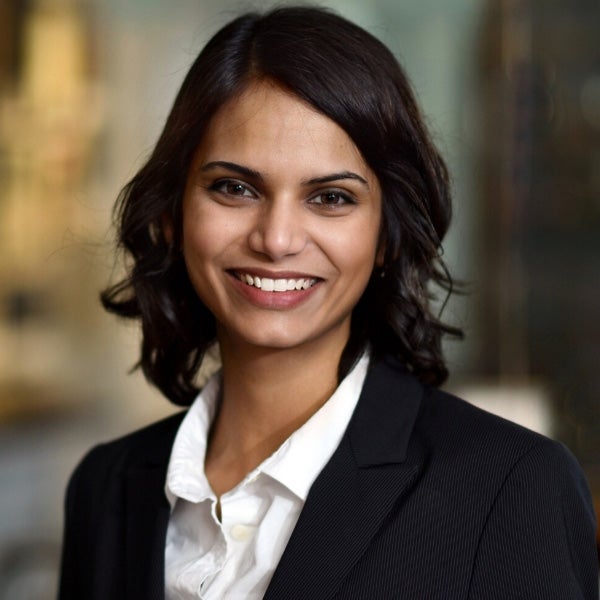
Dr. Sabia Abidi first became a part of the Rice community when she joined the Department of Bioengineering in Spring of 2018. As a former postdoctoral associate at MIT and NYU School of Medicine, Dr. Abidi brought with her an abundance of practical experience in the realm of regenerative medicine and microfluidics. After almost a decade of postdoctoral work, Abidi transitioned into becoming a teaching professor and took on a prominent advising role in the BIOE department. It was in this position that the skills she honed in the MIT Kaufman and EdTech teaching certificate programs were fully realized. In fact, Dr. Abidi continues to evaluate and improve upon her teaching interventions through active participation in the American Society of Engineering Education. As a Steering Committee Member of MHRI since its inception, Dr. Abidi has been vital to establishing collaborations bridging engineering and medical humanities.
Dr. Abidi quickly became a beloved name amongst BIOE students, including myself. Her classes emphasize the very fundamentals of engineering design, provide a quantitative understanding of human physiology, and emphasize the value of professional communication in a variety of career pathways. In leading a student clinical immersion summer program with physicians at Texas Children’s Hospital and MHRI Director Dr. Kirsten Ostherr, Abidi realized that another dimension of her field was underexplored: the human aspect.
Dr. Ostherr welcomed Dr. Abidi’s perspectives on the burgeoning field of medical humanities that asks how doctors, patients, and communities understand the lived experience of health and disease. As someone who had been immersed in the field of bioengineering since her undergraduate days Dr. Abidi would be the first to tell you that BIOE majors are prone to getting caught up in the quantitative approach to defining and solving problems. What medical humanities emphasized to her, however, was the human experience of the solutions that she had studied and designed her entire life and the value to a patient when a synergistic solution accounts for the socioeconomic and cultural dimension of the healthcare system.
Because of her pivotal role in integrating medical humanities perspectives into bioengineering and guiding her students to do the same, she regularly collaborates with academics and professionals from a variety of disciplines. Her enthusiasm for engaging with diverse points of view among Rice faculty and around the world have certainly shaped her students’ understanding. Through the connections she has established between BIOE students at Rice and expertise at the Texas Medical Center, Dr. Abidi has facilitated clinical, teaching, and professional experiences that eliminate the biases, assumptions, and roadblocks that students face when imagining their life after Rice.
Perhaps the most exciting detail about Dr. Abidi’s time at Rice is that in a lot of ways, it has only just begun, and already, her impact on our campus is immeasurable and invaluable. When you walk into her medical device troubleshooting class, you’ll see students light up as she leads them to answers that they didn’t even realize they knew. In her Fundamentals of Systems Physiology course, you can find her after class going through the alternate ways of approaching a problem brought to her by students who were inspired by her lecture. And at the very end of the year, you’ll find her cheering on teams at the Senior Capstone Fair. That’s why students hold her in such high regard – all the technical skills, qualifications, and accomplishments are secondary to what she really does best: care about people.
Written By Hamza Saeed
Bioengineering and Medical Humanities Senior
Student of Dr. Sabia Abidi