
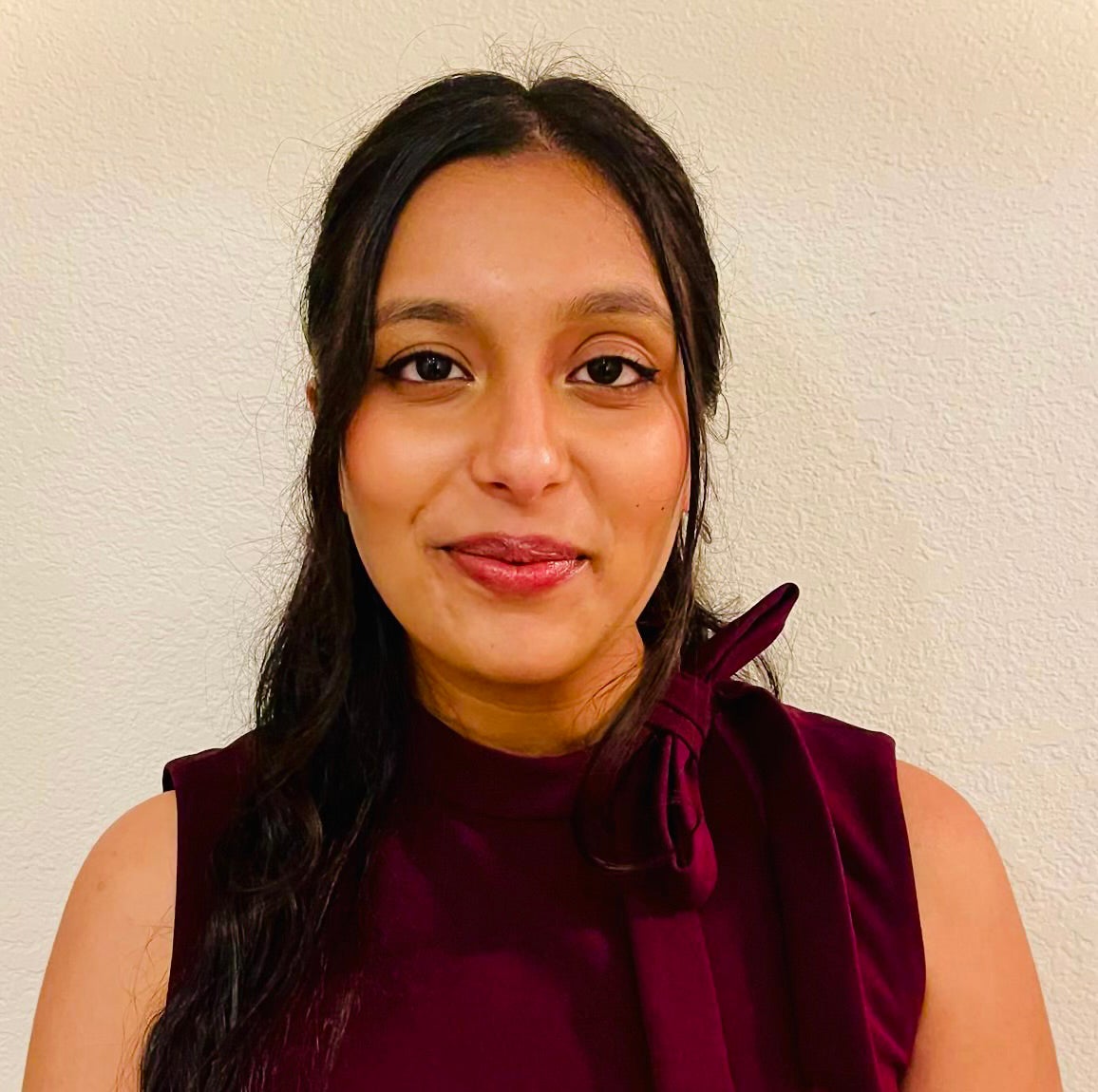
What has been one of your favorite courses in medical humanities (including electives that count towards the minor) at Rice? Who taught the course?
One of my favorite courses in medical humanities so far has been Dr. Bailar’s Literature and Medicine class!
Why did you choose to take that course?
I wanted to take an English class at Rice and get back into reading novels and poetry. This class sounded like the perfect way to do that. Since many people’s opinions are shaped by what they read and watch, I was also interested in learning more about how medicine is portrayed in literature, movies, and other media. As someone who hopes to be a physician someday, I wanted to understand different sorts of biases and emotions people could have when they walked into a doctor’s office or received a diagnosis.
What was one of your favorite discussions, activities, or assignments in the class?
My favorite book from this class was Transcendent Kingdom, about a graduate student’s work on determining the neurological basis of substance abuse and addiction. Snippets of her life in the past and present were woven together to illustrate the personal significance of her work, and how it connected to family, race, love, and more. I loved how this book painted research and science in such a personal light, infused with remnants of the protagonists’ past, instead of something that is purely clinical and objective (as.
What’s something you learned in the course that surprised you?
An overarching theme present in a lot of the work in this class was the dichotomy between the inevitability of disease or failure and the necessity of hope in medicine. I wasn’t expecting such a raw portrayal of some of the more challenging aspects of medicine, such as the feeling of losing a patient or anger at a loved ones diagnosis. Even the most heartbreaking pieces we read or watched had an underlying thread of determination or hope, though. This class definitely inspired confidence in the fact that people are inherently optimistic.
Has the course changed your perspectives on medicine, health, or illness?
Yes, this course opened my eyes to a lot of the harsh realities of healthcare policy and illness. It transformed medicine from something that I thought about abstractly to a real, multifaceted career, filled with an enormous variety of relationships, responsibilities, experiences, and emotions. The discussions we had in this class also made me feel closer to my peers. Knowing that many of us are interested in healthcare, would be a part of people’s best and worst days, and being able to get a feel for what that might be like brought us together.