
Annual Medical Humanities Best Essay
and Creative Work Competition
Contrary to popular belief, utterance of the word “essay” is not always followed by fear or panic amongst us college kids. In fact, many of our students in the Medical Humanities Program leap at the opportunity to convey the truths they hold dear. Likewise, when presented with the opportunity to bring a creative work of theirs to a larger audience, our students do not hesitate to present their handiwork on the largest possible stage.
As such, when the Medical Humanities Program held its annual Best Essay and Creative Work Competition, the judging committee was impressed by the compelling submissions that showcased how our students took their lectures, professional opportunities, and research work to the next level. Here, we want to highlight the winners of our 2025 contest. Although we can’t do their projects justice in such a few words, we are confident that their absolute brilliance will shine through. More details will be posted here.
1st Place Best Hybrid Essay/Creative Work
Anoushka Rustagi, Cayla Xue, Anvita Wadhwa, and Maggie Xia, “The Gender Gap in Cardiovascular Care”
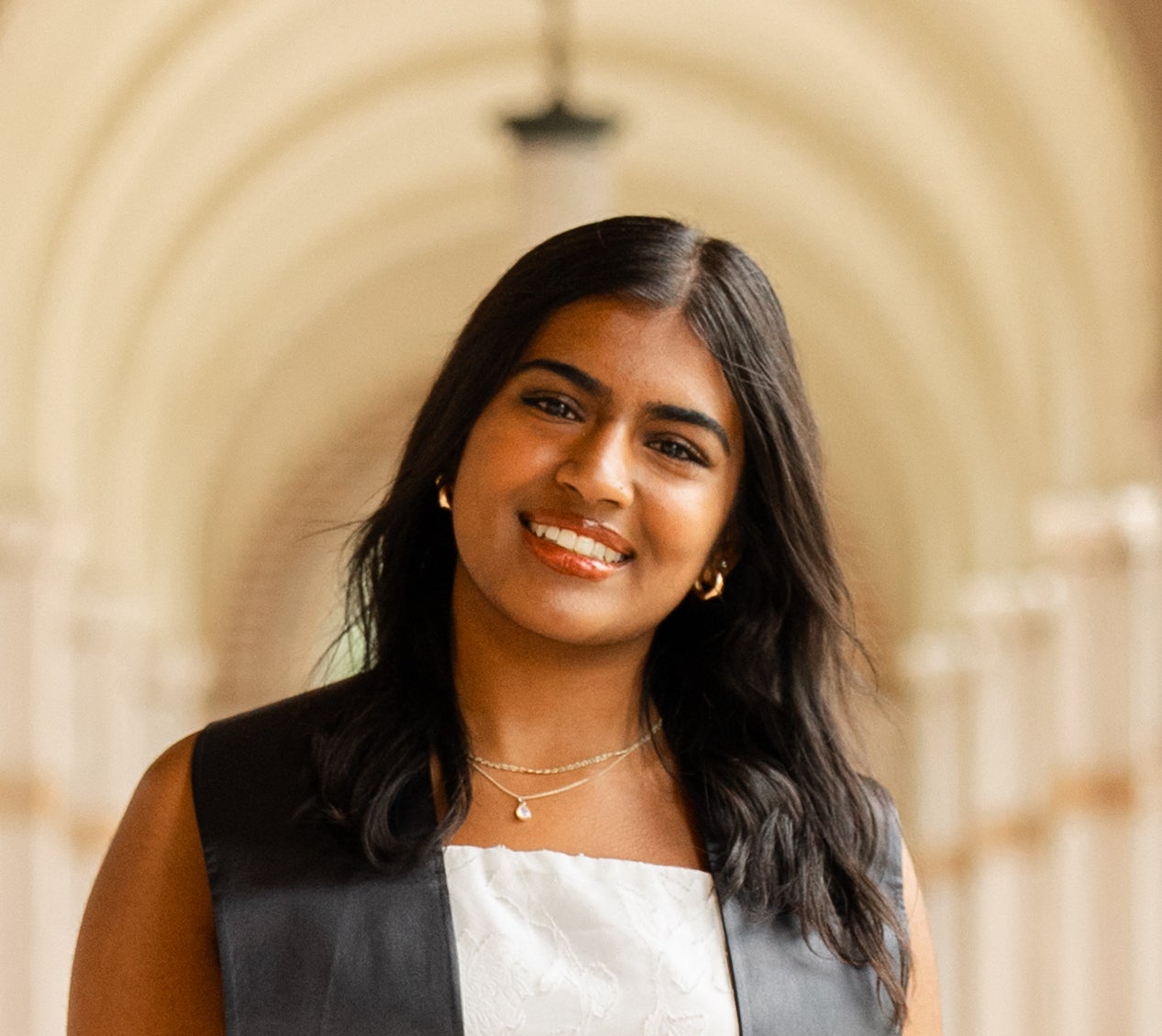
In our work, we examined some of the sociocultural factors behind poorer cardiovascular health outcomes in women. Storytelling was a potent tool that we used to highlight the experiences of women and other marginalized groups whose struggles are often deprioritized. While our project focused on women, the themes we explored in our work stretch far beyond sex and gender. We drew attention to medical gaslighting, blame narratives, and what it means to know one’s own body. Ultimately, I hope to inspire current and future healthcare providers to think deeply about who their care serves, and how.
Photo: Anoushka Rustagi
1st Place Best Essay in Medical Humanities
Ellen Kang, “The Strongest Pieces of My Grandfather”
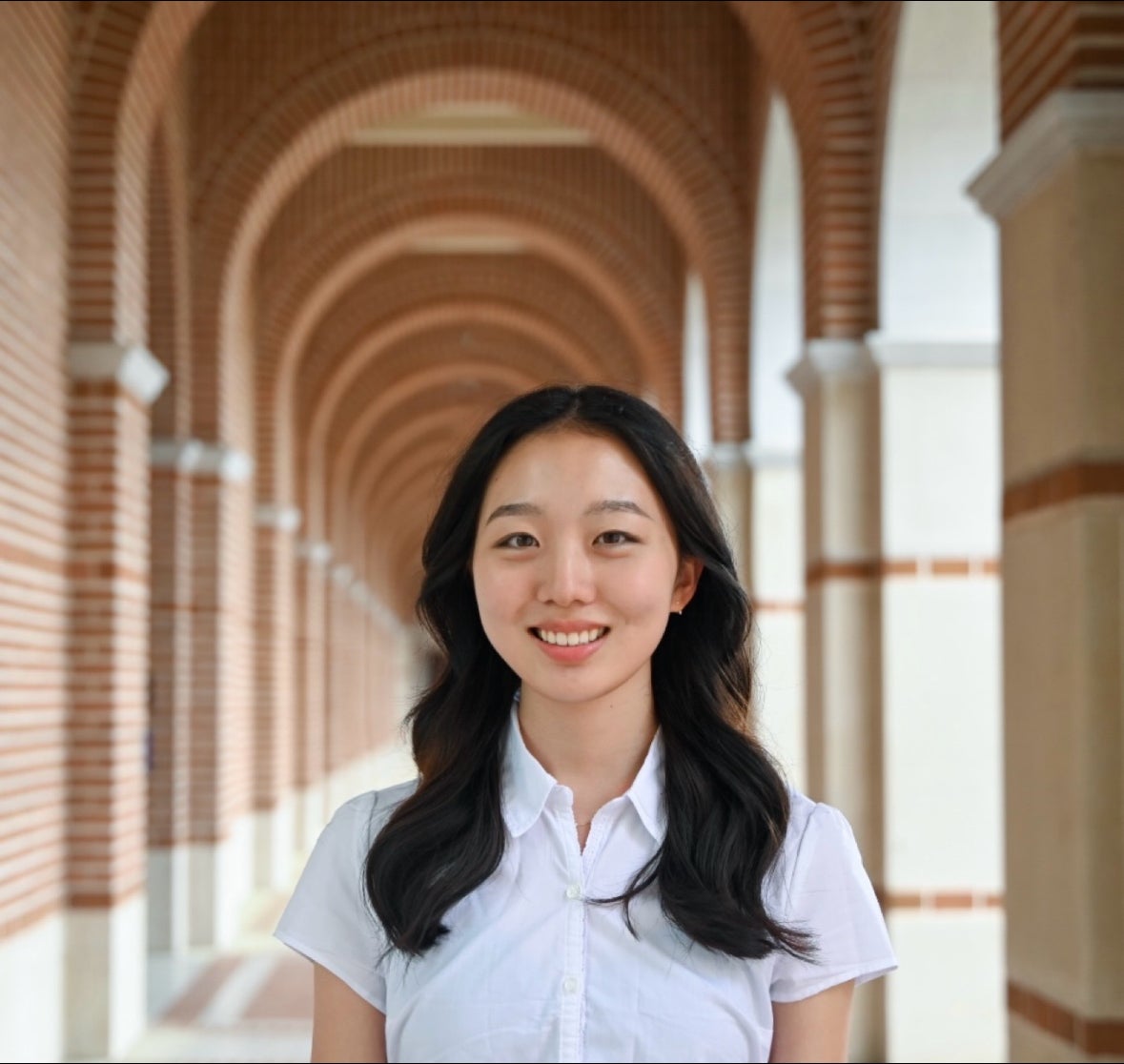
My essay blends research and memory to explore one of the most difficult questions in medicine: how do we talk about dying? I had the rare privilege of knowing the patient – my grandfather –, but in clinical practice, we rarely get to know a patient’s culture, their values, and their story. Medicine asks us to make sense of suffering, to speak honestly without taking away hope, and to guide others through experiences that don’t always have clear answers. I wanted my essay to weave together both the research and personal memory. We need science, but I think we also need to hold onto the human being behind the data. I want to learn how to speak difficult truths with kindness, because in an ever progress-driven, ever-technical, fast-paced world of medicine, I think it’s vital for future providers and those already in the field to keep these quieter human skills at the center of what we do.
2nd Place Best Essay in Medical Humanities
Nina Yu, “Seeing (Somewhat) Clearly”
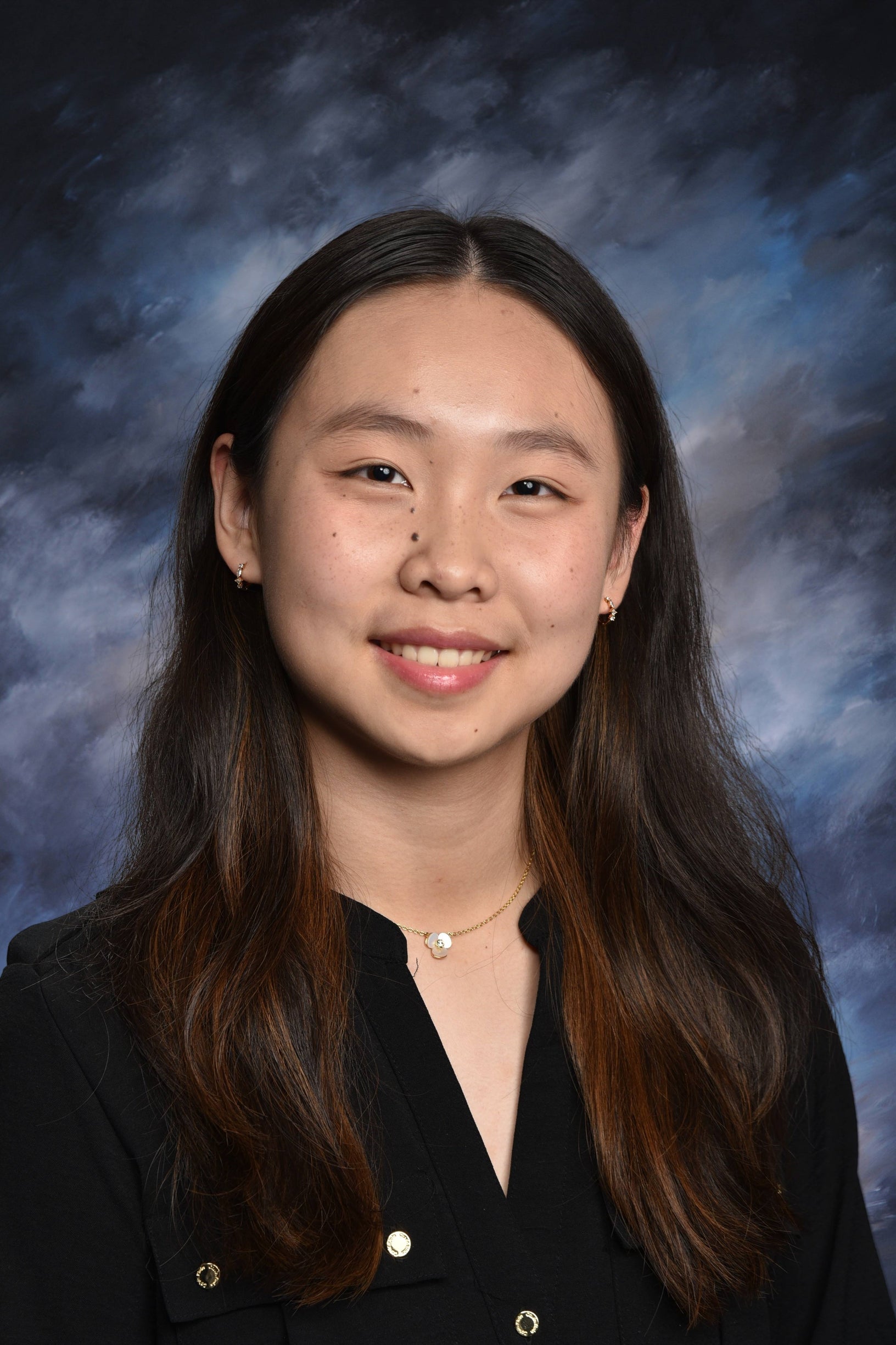
In creating this work, I aimed to highlight the vision-related struggles increasingly faced by adolescents who find themselves in a rapidly changing world. Today, we use our screens for work, entertainment, and basic human connection– what does that mean for the vision crisis amongst our youth? Early age myopia is an epidemic that can’t continue to be ignored the way it has been so far if we ever hope to reverse the damage that is being done to our nation’s most valuable resource: our youth.